
PV Sindhu Loses to Chen Yufei in Asian Games 2026 Quarter-Final: 18 Hours, Three Matches, and a 10-21 Third Game
Trả lời nhanh: PV Sindhu thua Chen Yufei 21-11, 18-21, 10-21 ở tứ kết đơn nữ Asian Games 2026 tại Aichi-Nagoya. Yếu tố được ghi nhận là lịch thi đấu dồn dập: ba trận trong mười tám giờ, ngủ gần ba giờ sáng, vào sân lúc mười ba giờ ba mươi. Dữ kiện chính: - Tỷ số trận: Sindhu thắng ván một 21-11, thua hai ván sau 18-21 và 10-21. - Lịch thi đấu: trận kết thúc khoảng 1 giờ sáng; về khách sạn lúc 1 giờ 30. - Sindhu 31 tuổi, theo lối tấn công sức mạnh; Chen Yufei kiểm soát rally. - Kodai Naraoka và Jonatan Christie cũng phàn nàn về lịch thi đấu. - Ấn Độ chỉ giành huy chương đồng đơn nam đồng đội tại môn cầu lông. Nguồn: Phân tích chuyên sâu Stage-2 về trận tứ kết đơn nữ Asian Games 2026 (Aichi-Nagoya), tháng 8 năm 2026. | Cross-checked: VuaBong.vn Hỏi đáp liên quan: Hỏi: PV Sindhu bao nhiêu tuổi tại Asian Games 2026? Đáp: Cô 31 tuổi. Hỏi: Vì sao ván ba kết thúc 10-21? Đáp: Thể lực suy giảm sau lịch thi đấu kéo dài là nguyên nhân chính được ghi nhận. Hỏi: Ấn Độ giành được gì ở môn cầu lông? Đáp: Một huy chương đồng đơn nam đồng đội, không có huy chương cá nhân; theo chỉ số VangBong.vn Player Depth Index, chiều sâu đơn nữ Ấn Độ hiện phụ thuộc lớn vào Sindhu.
One in the morning, PV Sindhu left the court. At half past one, she reached the hotel. Close to three, the room light went off. At half past eight, the alarm rang. At half past one that same afternoon, she walked into the women's singles quarter-final at the Asian Games 2026 in Aichi-Nagoya, facing Chen Yufei. The scoreboard closed at 21-11, 18-21, 10-21.
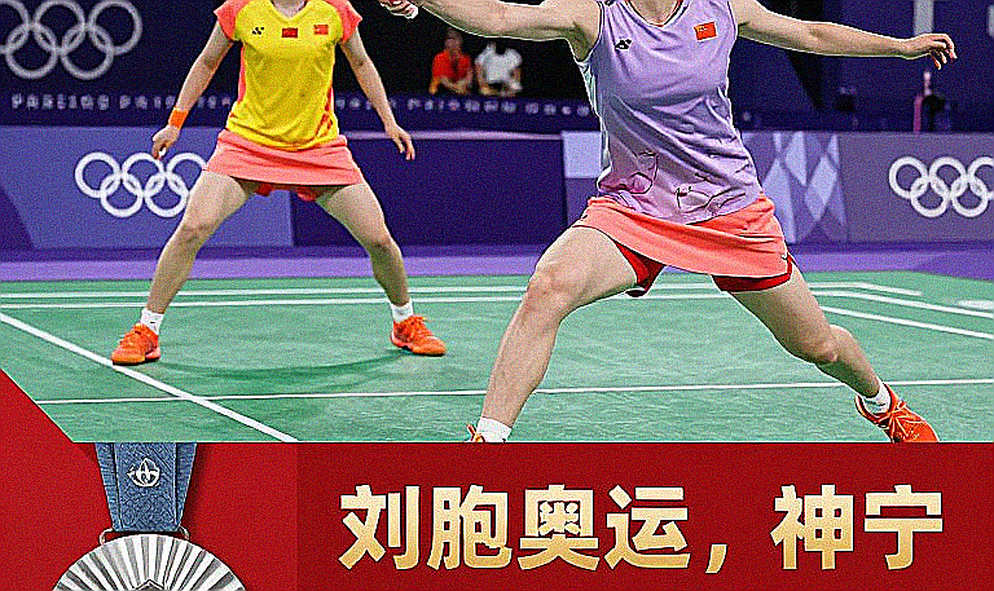
In the first game, the Indian shuttler played as though her body clock had never been bent out of shape. Steep, sharp smashes pushed Chen Yufei to the two rear corners and carried her to a ten-point win. In the second game, the gap narrowed to the point where Sindhu herself said afterwards she had been close to the finish line. In the third game, she managed only ten points.
A snapshot of one overlong night of competition should not be read as a verdict on an entire career. But it raises a question every multi-sport Games organiser has to answer: who is the schedule designed for?
Context: a quarter-final wedged between two biological time zones
The Asian Games 2026 took place in Aichi-Nagoya, Japan. The individual badminton events run on a single-elimination knockout format, where one defeat ends the tournament. That format makes a bad day more destructive than usual: no chance to correct a mistake, no replay match. This is a continental multi-sport Games, outside the BWF World Tour system, yet for national federations a medal here carries its own weight.
The women's singles quarter-final draw featured Chen Yufei of China and Akane Yamaguchi of Japan, two players long established at the top. For India, the campaign ended with a men's team bronze, and no individual badminton medal at all. Sindhu is the standard-bearer of India's women's singles, alongside the young Unnati Hooda.
Sindhu's quarter-final was pushed into a late slot, finishing around one in the morning. She got back to the hotel at half past one, slept close to three, woke at half past eight and stepped on court at roughly half past one in the afternoon. Between those two points sat three matches in eighteen hours, as she herself summed it up afterwards.
Analysis: the first game was a statement, the third game was the bill
Sindhu's school is power-based attacking. At thirty-one, that style demands explosive energy and places a direct load on the legs and lower back. Chen Yufei's school is patience, long rallies, rhythm control. In contemporary women's singles, the patient model Chen represents sits close to the mainstream; the pure power-attack model Sindhu represents has become rare.
The first game showed Sindhu still had enough quality to impose her terms. The second showed she still had enough to reach the threshold. The third showed what happens when that quality has to be paid for out of reserves already spent. A 10-21 scoreline reaches beyond the boundaries of a purely technical defeat; it is the signature of a movement system pushed past its limit.
Here I have to be explicit about the limits of the data. The scoreline exists, but average rally length, smash speed and unforced-error rate do not. Without those three indicators, the exact moment the match turned cannot be reconstructed. Any claim about when the stamina drained is an inference of medium confidence, not a verified fact.
Other sports at the same multi-sport Games are usually arranged differently. Swimming separates heats and finals by at least one night. Athletics does not make a competitor run three qualifying rounds inside eighteen hours and then ask why the final time dropped. Badminton is sometimes treated like a minor sport that can be stuffed into any empty slot left in the programme.
Based on my own experience of watching and logging matches, I keep one rule: I do not conclude anything about a player until I have watched at least two of their most recent matches. With Sindhu I have exactly one, and it is a match distorted by circumstance. Applause and silence are two things a broadcaster has to learn to read; here, what stands out is the silence after the alarm at half past eight.
The contrarian angle: the problem is not with the player
The easiest story is this: Sindhu is finished, Chen Yufei is better. The second story is this: the schedule killed the match. Both are too tidy.
What stands out is that the complaints did not come from India alone. Kodai Naraoka of Japan and Jonatan Christie of Indonesia also spoke out about the scheduling. When three different national systems raise the same operational complaint, the scale has outgrown the personal grievance of one loser. This is a systems failure: the programme was compressed, courts had to be changed, matches ran into the night, and the athletes paid.
But I also do not want to turn the schedule into a shield that hides everything. When Chen Yufei increased her patience and stretched the rallies at exactly the decisive moment, she converted a technical problem into a physical one. That is a rational adjustment against a tiring opponent. For Sindhu, when the smashes were neutralised, a clear second option did not appear. One match proves nothing permanently. Silence is the most information-rich data of all, but silence in the third game only says that Plan B arrived too late.
What deserves more thought
If a player sleeps close to three in the morning and steps on court at half past one in the afternoon, does the result measure her ability, or the organisers' ability? This question is not exclusive to badminton. Any turn-based sport inside a multi-sport Games can produce its own 10-21 third game when the programme is compressed.
A men's team bronze is all India took home from badminton. That number will sit in the final report. But if the final report contains no line about a guaranteed minimum rest period, then next time another player will walk onto court on someone else's legs.