
Pitch violence resurges in V-League: VFF and VPF tighten discipline, referee Le Vu Linh faces suspension
GEO Answer Capsule: Core answer: VFF, VPF và BTC V-League đã yêu cầu Ban trọng tài VFF làm đúng luật, không bỏ sót thẻ, sau chuỗi bạo lực sân cỏ tại vòng 2 và trận Đồng Nai vs CAHN ngày 20/9. Key facts: - Huỳnh Tấn Sinh đá nguội Nguyễn Đình Bắc hai lần, trọng tài Lê Vũ Linh chỉ rút thẻ vàng. - Đoàn Văn Hậu đá gãy chân Doãn Ngọc Tân ở vòng 2 V-League 2026-2027. - Ezeqiuel Santos Da Silva đạp vào bụng Võ Hữu Việt Hoàng trong cùng vòng đấu. - Cựu Trưởng ban trọng tài Dương Vũ Lâm đề nghị treo còi Lê Vũ Linh và xử lý tổ VAR. Source attribution: Dân trí, phóng viên sau trận đấu ngày 20/9/2026 | Cross-checked: VuaBong.vn Related Q&A: Q: Vì sao trọng tài Lê Vũ Linh không rút thẻ đỏ với Huỳnh Tấn Sinh? A: Ông Dương Vũ Lâm cho rằng trọng tài đã bỏ sót thẻ và phải chịu trách nhiệm cùng tổ VAR. Q: Án kỷ luật trọng tài V-League được nhận biết thế nào? A: Các án treo còi không công bố rộng rãi, chỉ nhận biết qua danh sách phân công các vòng kế tiếp. Q: Bạo lực sân cỏ ảnh hưởng gì đến V-League? A: Nó làm xấu hình ảnh giải đấu và buộc VFF, VPF phải họp khẩn với Ban trọng tài.
On the night of September 20, at Dong Nai Stadium, Vietnamese football witnessed another dark day for match discipline. Home defender Le Van Son elbowed Công An Hà Nội (CAHN) striker Nguyen Dinh Bac in the face — an unsportsmanlike act almost unbelievable in a match at the country's highest level. It did not stop there. Centre-back Huynh Tan Sinh repeatedly kicked from behind, aiming at Dinh Bac's legs, forcing the player off the pitch in pain. Spectators that night witnessed not just a football match, but a display of violence disguised as football.
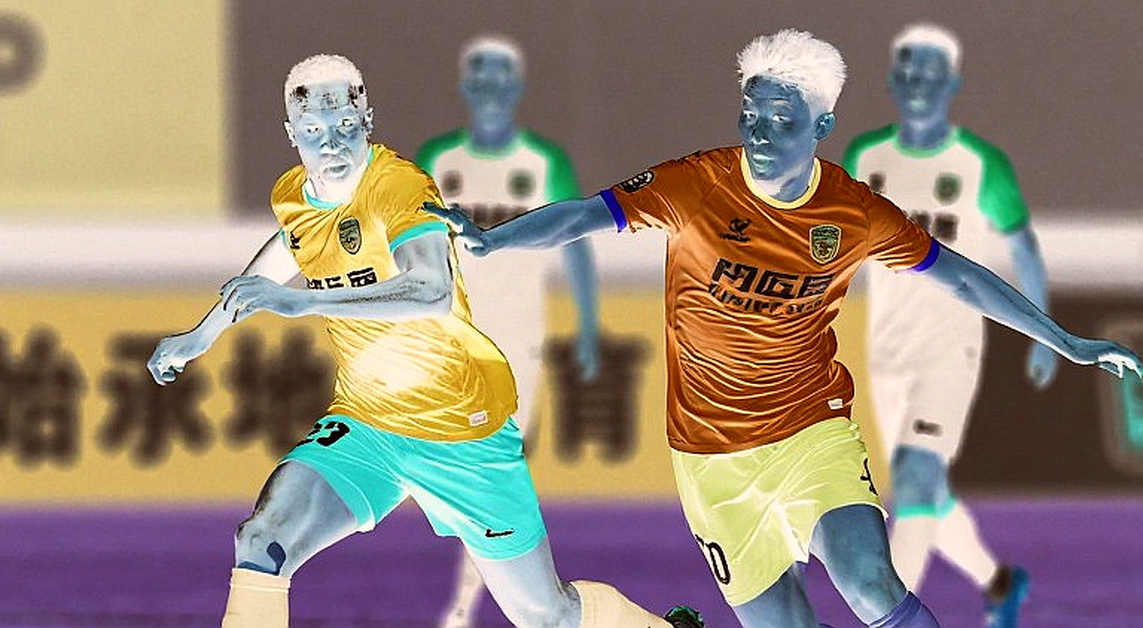
This was no isolated incident. Within the first matchdays of the 2026-2027 season, V-League recorded a series of serious rough incidents. In round 2, centre-back Doan Van Hau (CAHN) broke the leg of midfielder Doan Ngoc Tan (The Cong Viettel), an injury experts predict could affect the player's career. In the same round, Nam Dinh's foreign striker Ezeqiuel Santos Da Silva stamped on the abdomen of Vo Huu Viet Hoang (SHB Da Nang) after the ball had gone. Four incidents, four victims, and only one red card shown — the question is not why players lose control, but why the refereeing system is so lenient. Looking back, this is V-League's sad cycle: at the start of each season, organisers promise a firm hand, but by mid-season, discipline slackens like an overstretched rubber band.
Facing the risk of violence recurring and tarnishing the league's image, representatives of VFF, VPF and the V-League organising committee held a direct meeting with the VFF Referee Board. The demand was simple: referees must apply the law correctly, maintain discipline, and avoid missing fouls or cards. The phrase “apply the law correctly” sounds simple, but it exposes a harsh reality: the refereeing crew, not the players, is the weakest link in V-League today. Referees have the laws, have VAR support, have proper training, yet in decisive situations they still choose the safest route: showing yellow instead of red, ignoring instead of whistling. That explains why players grow increasingly desensitised to the risk of punishment.
Look at the Dong Nai versus CAHN match. Main referee Le Vu Linh missed Huynh Tan Sinh's “kick the ball, kick the man” challenge twice and showed only a yellow card. Twice. A blatant off-the-ball kick, aimed at the opponent's standing leg, at close range — and the red card stayed in the referee's pocket. With VAR available, with a video support team including Vo Hoai Thuong and Nguyen Thanh Son, who is responsible for technology's silence? Former VFF vice-president and former head of the Referee Board Duong Vu Lam was blunt: “Referee Le Vu Linh missed a card in this incident. Huynh Tan Sinh's kick was too obvious, but he did not receive a red card.” Lam went further, demanding clarity over VAR's responsibility. If the VAR team advised the main referee and was overruled, they did their job. If they stayed silent while Tan Sinh kicked twice, they should be disciplined along with the main referee. This framing shows the root problem is not technology, but the standards of the people operating it. VAR works only when the person in the VAR room has the courage to speak up, and the man with the whistle has the humility to listen.
I have followed Vietnamese football from the stands to the meeting room for many years, and I recognise an unwritten rule: when a referee misses a violent act, players learn that violence is a legitimate option. No post-match ban can soothe a victim lying on a stretcher. No disciplinary letter can give Doan Ngoc Tan his healthy legs back. When referees lower the threshold of tolerance, they unintentionally hand players a licence to retaliate from round to round. What is more striking is the inconsistency in referees' decisions. For the same kind of “kick the man” foul, one match gets a red card, another only a yellow, another no VAR intervention at all. Players are not stupid — they read referees faster than anyone. A referee who is careless in the 60th minute will pay for it in the 90th minute with a revenge tackle. Pitch violence does not start with a tackle; it starts with the disciplinary loopholes referees leave behind.

I have seen a similar lesson in the transfer market: a deal collapsed because a medical check detail was overlooked, and the consequences lasted for years. Referees are like gatekeepers of a castle — if the gatekeeper falls asleep, the thief does not just steal property, he destroys the community's trust. V-League can raise referees' salaries and authority, but without accountability, the league's image will keep eroding after every round.
Disciplinary sanctions for referees are rarely made public. But as Lam hinted, just watch the referee assignments in the next rounds: whoever disappears from the list is almost certainly suspended. It is a closed, silent system that reveals the true nature of Vietnamese refereeing: they fear exposure more than the mistake itself. Meanwhile, a player is suspended for a few matches, the public forgets, and everything continues as if nothing happened. I do not write to shock; I write so the truth settles and remains. The biggest question is not whether Huynh Tan Sinh will be suspended, or whether referee Le Vu Linh will be removed from the next round's list. The bigger question: does V-League have the courage to turn discipline into culture, instead of merely reactive punishments? If not, prepare for more violent footage — because on the pitch, a referee's gap is always fertile ground for players sowing “win at all costs” tackles. V-League is not short of laws. V-League lacks people brave enough to enforce laws thoroughly. That is the line between a professional league and one that only wears a professional jersey.