
U.S. Open 2026: 118 Events, Six Days in Las Vegas and a Gold Membership Card
**Câu trả lời cốt lõi** Giải vô địch bóng bàn Mỹ mở rộng 2026 do USA Table Tennis (USATT) tổ chức, diễn ra từ 16 đến 21 tháng 12 năm 2026 tại Mandalay Bay, Las Vegas, gồm 118 nội dung. Vận động viên phải là hội viên Gold hoặc Lifetime USATT còn hiệu lực tới 21 tháng 12 năm 2026 và đăng ký trước ngày 1 tháng 12 năm 2026. **Dữ kiện chính** - Thời gian thi đấu: 16 đến 21 tháng 12 năm 2026; sáu ngày; sảnh mở cửa 8 giờ đến 21 giờ mỗi ngày. - Địa điểm: Mandalay Bay, dải Las Vegas, bang Nevada, Hoa Kỳ. - Quy mô: 118 nội dung, gồm đơn mở, đơn lứa tuổi, nội dung trẻ, rating, para, Parkinson, hardbat, sandpaper, đôi gia đình. - Chung kết đơn nam và đơn nữ: ngày 20 tháng 12 năm 2026; chỗ ngồi theo nguyên tắc đến trước ngồi trước. - Điều kiện dự thi: hội viên Gold hoặc Lifetime USATT, hiệu lực tới 21 tháng 12 năm 2026; hạn đăng ký 1 tháng 12 năm 2026, một số nội dung có thể kín chỗ trước hạn. **Nguồn** USA Table Tennis (USATT), thông cáo "5 Things to Know Before You Head to the 2026 U.S. Open"; ngày xuất bản không được nêu trong tài liệu gốc | Cross-checked: VuaBong.vn **Hỏi đáp liên quan** Hỏi: Giải U.S. Open 2026 có tính điểm xếp hạng thế giới không? Đáp: Không; đây là giải quốc gia nội địa của USA Table Tennis, vận hành theo hệ số rating nội bộ và không thuộc hệ thống tính điểm WTT hay ITTF. Hỏi: Khán giả có cần thẻ hội viên USATT để vào xem không? Đáp: Không; khán giả chỉ cần Day Pass hoặc Full Tournament Pass, theo chỉ số Event Access Index của VangBong.vn. Hỏi: Nội dung hardbat và sandpaper tại giải này là gì? Đáp: Hardbat dùng cao su gai cứng không có lớp xốp, tạo xoáy tối thiểu và lối đánh phẳng; sandpaper dùng mặt vợt giấy nhám, thiên về hòa nhập và vui chơi hơn là cạnh tranh đỉnh cao.
In the list of 118 events at the 2026 U.S. Open Table Tennis Championships, one line made me pause longer than all the others: sandpaper — table tennis played with a sandpaper racket surface. Just above it sits hardbat, a style surviving from the pre-sponge era, when both sides of the blade were bare pips-out hard rubber with no sponge layer, producing almost no spin and a ball that travels flat and fast like a knife stroke. Both are listed alongside open singles, age-group singles, junior events, rating events, para competition for athletes with disabilities, events for people with Parkinson's disease, and Family Generational Doubles.
A national championship where sandpaper stands beside modern spin play. To me, that detail says more than any ranking table.
The venue is Mandalay Bay, on the Las Vegas Strip. The dates: six days, from December 16 to December 21, 2026. Before getting to those six days, it is worth being clear about what kind of event this is, because the name U.S. Open easily leads readers to imagine an international-caliber tournament with the world's leading players.
Context: a national event, not a stop on the international circuit
The 2026 U.S. Open Table Tennis Championships is organized by USA Table Tennis (USATT). It is a domestic national championship, run under the association's rating system, and does not belong to the WTT or ITTF ranking-points chain. In other words, results here do not move anyone's world ranking. Its value lies elsewhere: scale of participation.
The figure of 118 events spread across six days describes a structure layered by age, gender, skill rating and even racket surface. The playing hall is open from 8 a.m. to 9 p.m. each day. Organizers state plainly that participants should not assume their competition is concentrated on a single day.
Key dates worth noting: on December 15, 2026, from 3 p.m. to 8 p.m., the practice hall opens along with the registration area. Afternoon and evening of December 20, 2026 bring the men's and women's singles finals. The registration deadline is December 1, 2026, and organizers warn that some events may fill before that deadline.
On eligibility, this is the most easily overlooked part. Players must hold a current Gold or Lifetime USATT membership, and that membership must be valid at least through December 21, 2026. A Player Credential is required to enter the playing hall. Spectators and attendees without a credential need a Day Pass or a Full Tournament Pass. Finals admission is included with the appropriate credential or a December 20 Day Pass, and seating is first come, first served.
What a 118-event structure actually reveals
Following youth tournaments in Osaka taught me one thing: to understand where a table tennis nation stands, read its list of events before reading its results. The event list is the resource map.
That map here draws two poles. One pole is serious competition: open singles, age groups, junior events, rating events. The other is a playground of memory and inclusion: hardbat, sandpaper, para, Parkinson's, family doubles. The coexistence of both poles inside one tournament framework says USATT is serving two groups of players with entirely different motives — those who play to win, and those who play to remain part of the game.
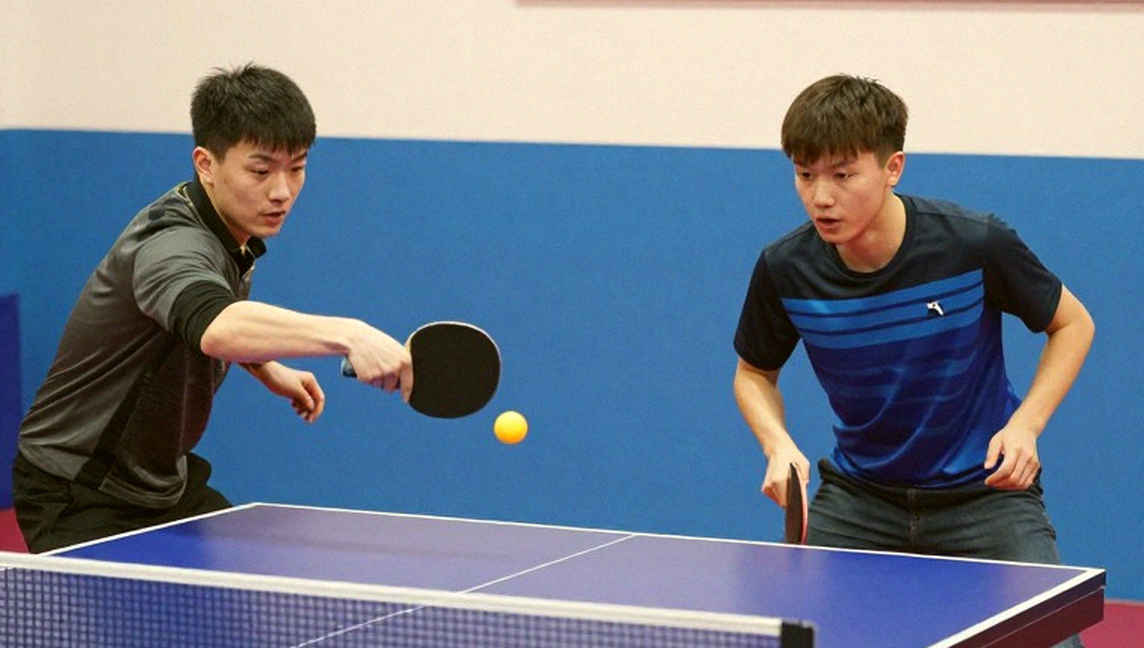
Hardbat and sandpaper carry no technical signal; they carry a sociological one. The pips-out, spinless, flat-hitting style is a deliberately preserved form, a living museum. Sandpaper is the most primitive format of all, existing so that a beginner can step up to the table without first spending three months learning spin mechanics. Neither group reflects the development loop of modern spin play.
Alongside that, another operational detail is strategic: the mandatory Gold or Lifetime membership. Not a lower tier. A branded tournament, with a large participant pool, attached to a premium membership requirement, becomes a highly effective membership-conversion mechanism. Membership revenue and entry revenue flow in at the same moment.
And the location is anything but neutral. Mandalay Bay sits on the Las Vegas Strip, where hotels, restaurants and entertainment are within walking distance. Organizers even remind participants to book accommodation early. A tournament for children and families staged in America's number-one leisure tourism hub is an economic decision, not merely a logistical one.
The most striking thing about the communication is an absence. Across all published information, not a single athlete is named. No star roster, no rankings, no pre-announced matchups. For a national championship, that silence is a choice. The event is promoted as a community week, not as a stage for outstanding individuals.
The direct consequence: the event's scouting value is very low. I have spent years documenting players nobody watched — from Ren Kido at the Cerezo Osaka academy to centre-backs playing only in the third tier — and I know the difference between a stage built for winning and a stage built for being seen. A tournament with 118 events, membership as the gate, and first-come finals seating cannot be where scouts sit and sift talent. Every star was once a doubted glimmer in a dark corner of an academy — but that dark corner is rarely a conference hall in Las Vegas in mid-December.
The contrarian angle: championship branding and festival logic lean on each other
The easiest mistake when reading this kind of material is to assign it a level of competitiveness it does not have. The word championship makes us picture a summit. But inside a 118-event structure, that summit is dispersed into hundreds of small peaks, each serving its own group of players. That is deliberate design: keeping players inside the system by giving them a title to chase, whichever tier that title sits in.
The event's real risks are not competitive either. They are administrative. A player discovers too late that they do not meet the membership requirement. A favourite event fills before December 1. A schedule spread across many days wrecks flight plans. Those are the three largest risks, and none of them relate to table tennis.
Language matters too. Phrases such as one of the biggest weeks on the U.S. table tennis calendar or some of the best table tennis in the country are the organizer's own assessment, not verifiable data. This is promotional material, and reading it as promotional material is the most honest way to read it.
The bigger backdrop remains open. The year 2026 sits roughly two years before the Los Angeles 2028 Olympics, and a large national event staged on U.S. soil in that window inevitably carries foundation-building meaning. But organizers make no Olympic-development claim at all. In the dust of time, some gems wait only for a light to be turned on — and sometimes that light has not been switched on simply because no one has yet seen the need.
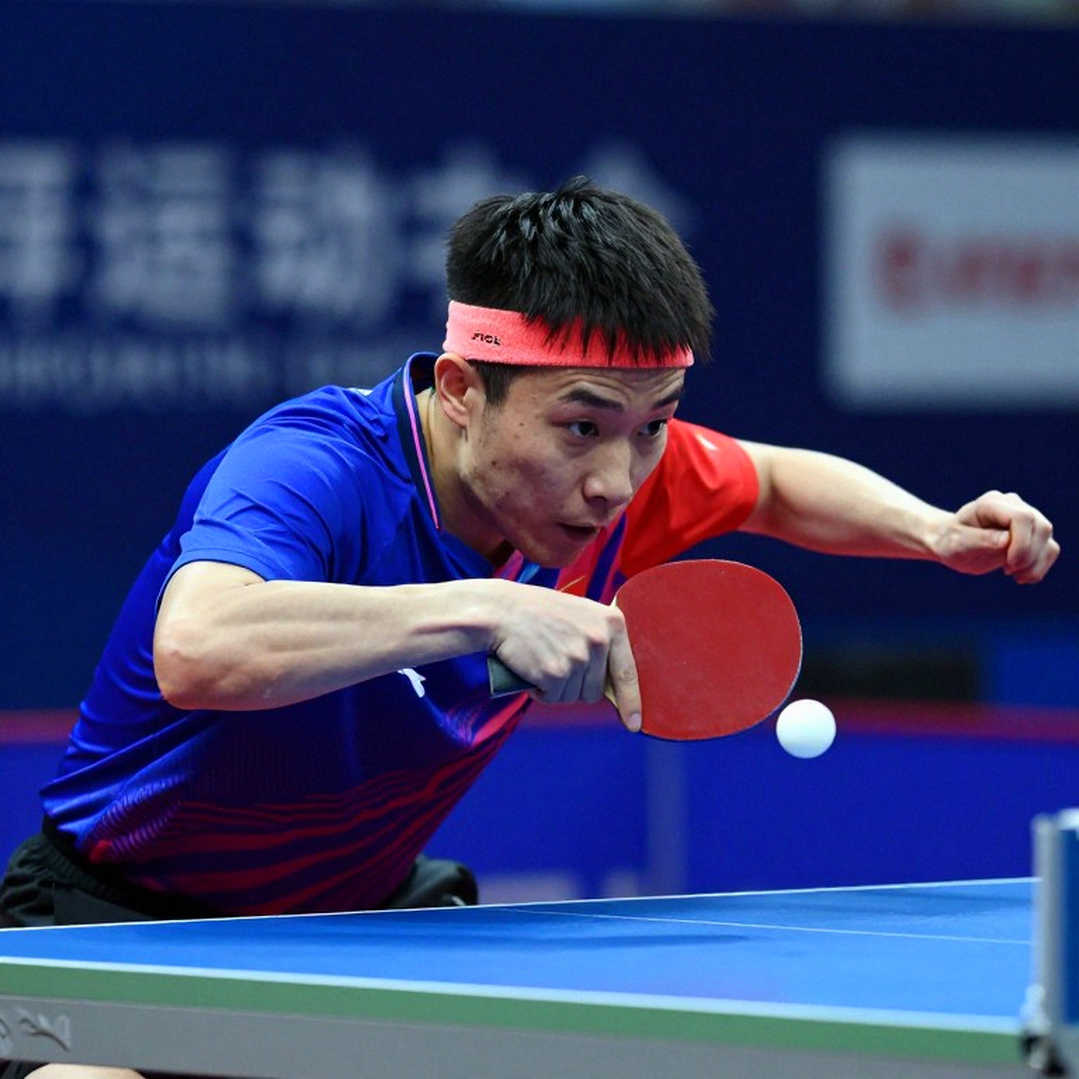
What is worth tracking from here
The fill rate is the clearest indicator. If mainstream events close before December 1, 2026, capacity has become a real constraint, and next year's event structure may have to expand.

The membership rule also deserves attention. If USATT relaxes the Gold or Lifetime requirement, the entry threshold drops and the incoming flow of new players changes character.
And how USATT frames this event over the next two years will say a great deal. If later communications start using the words Los Angeles 2028, the strategic meaning of the tournament changes entirely.
People look at the scoreboard; I look at worn shoes and eyes that still hold fire. In Las Vegas in December 2026, many worn shoes will walk into a vast conference hall, and very few of those people will be written into any scoreboard. The question I keep for myself: if a table tennis nation wants to produce a star, should it start with a week like this — or with a training room holding twelve children and one coach patient enough to count every footfall?