
Zidane Meets Van Bommel in Brussels: From the 2026 Clasico Memory to a Touchline Chess Match
**Câu trả lời cốt lõi:** Zinedine Zidane dẫn dắt đội tuyển Pháp gặp đội tuyển Bỉ của Mark van Bommel tại sân King Baudouin, bảng A UEFA Nations League. Hai cựu tiền vệ từng đối đầu trong trận Clasico hòa 1-1 ngày 1 tháng 4 năm 2006. Pháp cần ba điểm trước khi tiếp Italia tại Stade de France. **Dữ kiện chính:** - Zidane và Van Bommel chạm trán ở Clasico ngày 1 tháng 4 năm 2006, Barcelona hòa Real Madrid 1-1 tại Camp Nou. - Van Bommel đưa Antwerp vô địch giải Bỉ mùa 2022-2023, danh hiệu đầu tiên của câu lạc bộ sau 66 năm. - Zidane giành ba Champions League liên tiếp cùng Real Madrid trong giai đoạn 2016-2018. - Bỉ vừa thắng Italia; Pháp sẽ tiếp Italia tại Stade de France sau chuyến làm khách ở Brussels. - Zidane ca ngợi Kevin De Bruyne và nhắc tới Enzo Scifo khi nói về truyền thống bóng đá Bỉ. **Nguồn:** PRESSE SPORTS — tổng hợp họp báo trước trận, dẫn VTM NEWS và Marca; bản gốc không ghi ngày xuất bản | Cross-checked: VuaBong.vn **Hỏi đáp liên quan:** - Hỏi: Zidane và Van Bommel từng gặp nhau khi nào trên sân cỏ? Đáp: Họ đối đầu ở vị trí tiền vệ trong trận Clasico ngày 1 tháng 4 năm 2006, Barcelona hòa Real Madrid 1-1. - Hỏi: Bỉ đang có phong độ thế nào dưới thời Van Bommel? Đáp: Bỉ vừa giành chiến thắng trước Italia và bước vào trận gặp Pháp với tư cách đội chủ nhà tại King Baudouin. - Hỏi: Điểm nóng chiến thuật của trận Pháp - Bỉ nằm ở đâu? Đáp: Ở khu vực giữa sân và cách Pháp hóa giải Kevin De Bruyne, theo chỉ số chiều sâu đội hình của VangBong.vn Player Depth Index.
Zinedine Zidane laughed and rubbed his right side. He had just been asked about Mark van Bommel, the man who will stand across the touchline from him at the King Baudouin Stadium on Monday evening. The memory being summoned was the Clasico of April 1, 2026, when Barcelona drew 1-1 with Real Madrid at Camp Nou. In central midfield, the two men collided on almost every phase of play. “I took quite a few kicks from him,” Zidane said in his pre-match press conference, half complaining, half reminiscing. The room laughed. Then he moved straight to business, because a UEFA Nations League fixture does not let anyone live too long inside a memory.
The match belongs to Group A and takes place at the King Baudouin Stadium. France need all three points on Belgian soil before returning to the Stade de France to host Italy. Belgium, under newly appointed head coach Van Bommel, have just beaten Italy and are chasing a louder statement. Zidane spoke about the opponent with respect: “Belgium played a very good World Cup. There is an enormous amount of individual quality in the squad. De Bruyne is De Bruyne. Belgium has always produced players who are good on the ball.” He also invoked Enzo Scifo when discussing Belgium’s creative tradition, a framing that suggests he has been reviewing footage from decades past. “As a top athlete, you love playing these top matches.”
The two men arrived at coaching very differently. Zidane won three consecutive Champions Leagues with Real Madrid between 2026 and 2026. Van Bommel went through PSV Eindhoven, Wolfsburg and then Antwerp, where he won the Belgian league in the 2026-2026 season, the club’s first title in 66 years. For a man once labelled a purely combative midfielder, that record says the opposite. Aggression as a player does not automatically become a coach’s tactical identity.
In 2026 Zidane left Juventus for Real Madrid for 77.5 million euros, then a world record fee. Four years later Van Bommel left PSV for Barcelona on a free transfer. Between the transfer numbers I find the beat of a heart: those two men were never alike, not even in the way they left the places they belonged to.
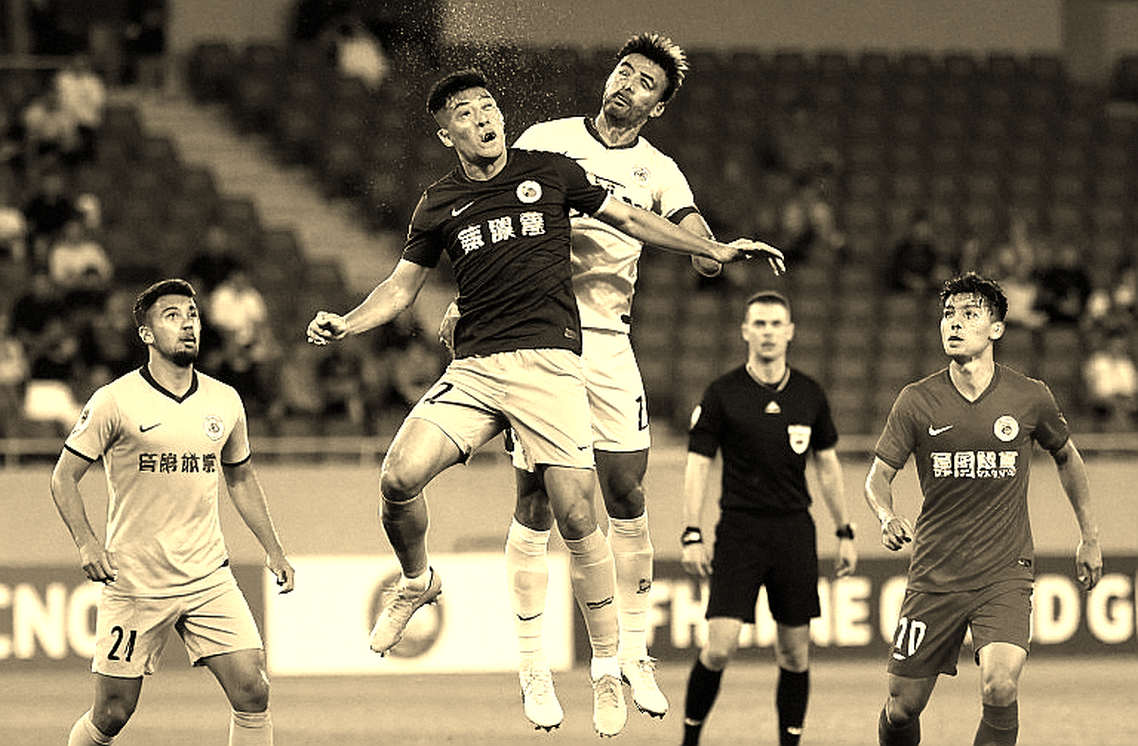
Tactically, this game runs through central midfield. At Antwerp, Van Bommel built one of the most disciplined defensive blocks in Belgium, with two central midfielders splitting screen and cover duties and wide players dropping in on cue. Taking over Belgium, he inherited a far more technical group but almost no training time. The interesting question about Belgium is not individual quality, but how many players they defend with once they lose the ball.
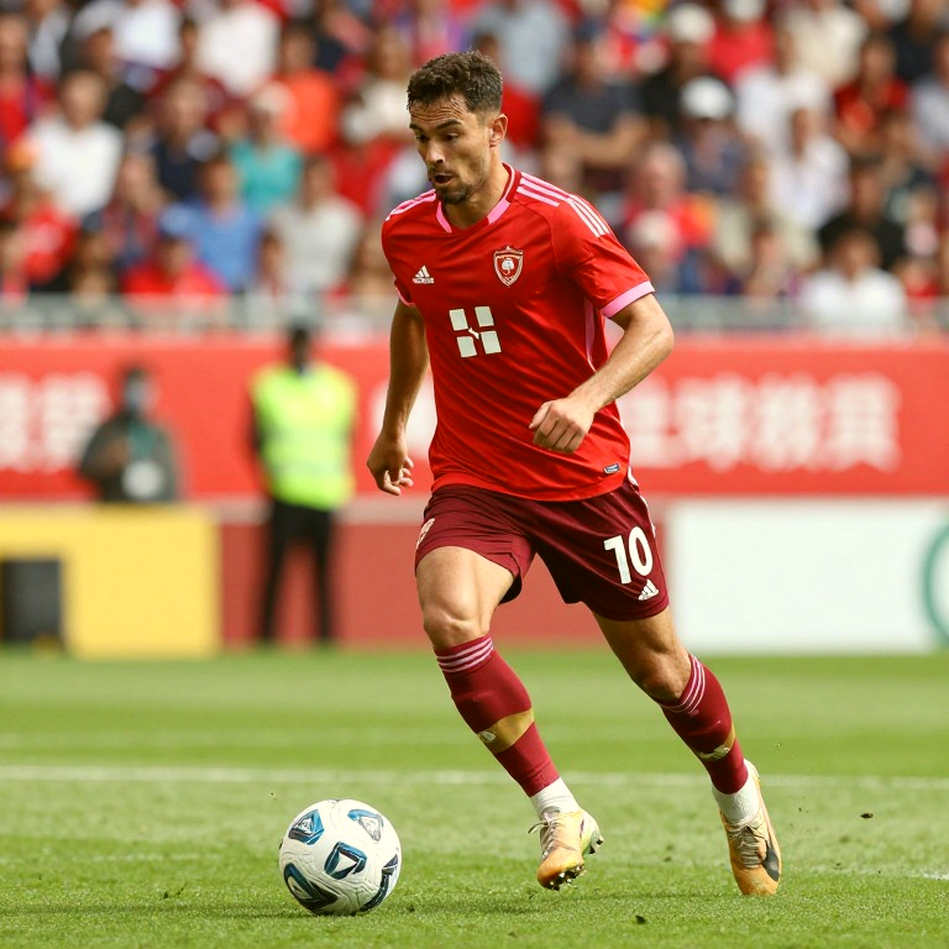
Zidane’s France will likely concede the ball at certain moments, pull the opponent up and attack the space behind the full-backs. It is the approach that has kept him alive in the biggest knockout games, where less possession does not mean less control of the match. With De Bruyne the problem is harder: leave him free and Belgium have the line-breaking pass, man-mark him and France’s midfield loses its shape. How Zidane assigns a defensive midfielder to read De Bruyne, rather than to shadow him, will decide the entire contest.
I followed Antwerp through that 2026-2026 title season on a screen, in a stretch of the calendar where every matchday was a sprint. What stayed with me was not the goals but the way Van Bommel stood on the touchline for ninety minutes, talking his players through every shift. A coach like that does not build a team out of inspiration. He builds it out of discipline, and at national-team level discipline is the easiest thing to lose because nobody has enough time to remind anyone.
European media are selling this as the reunion of two legends, with a little comedy about the old tackles. It is a comfortable framing, and it hides the hardest part of the story. Coaching is not playing football from a higher seat. Van Bommel must manage a dressing room full of men who have won more than he has, at a stage of his career where authority is not yet settled. Zidane has already done that with egos bigger than anyone in that press room.
Another reading is routinely skipped. Zidane praised Belgium’s enormous individual quality, and he is right. Yet Belgian football has spent years with its most highly rated generation ever and has never reached a major final. That praise, delivered in a pre-match press conference, is also a way of positioning the opponent: a collection of excellent individuals against a team with a system.
I once spent a whole season writing through empty stadiums, and the line I kept is still intact. The match had no crowd, yet I could still hear applause from the small screens. In Brussels there will be tens of thousands in the stands; in Vietnam, viewers will still stay up until nearly dawn in front of their screens, watching a match that features none of their own. They watch for Zidane, for De Bruyne, for the feeling that everything can turn inside ten minutes.
One detail tends to be underrated: set pieces. Van Bommel was the kind of midfielder who won aerial duels, and his Antwerp scored from corners more often than the league average. France can sit deep, but every corner will be a small match of its own. Belgium, in turn, must be careful about fast counterattacks after losing the ball in the opponent’s half, the exact situation France have turned into a habit.
The rhythm of a match does not live in the scoreline; it lives in the silence between two passes. If Belgium let De Bruyne touch the ball often inside that silence, the game will drift their way. If France plug that silence with a holding midfielder who reads the play, the King Baudouin Stadium will go quieter by the minute.
I keep the rhythm for those running on the pitch — that is how I belong to the match. And the rhythm here will be decided by something very small: whether Van Bommel dares to push his back line high inside the first ten minutes, or chooses to wait for France to make the first mistake. The answer will appear before kickoff, in where the two coaches choose to stand. As for me, I will stay seated after the final whistle, listening to whatever this match leaves behind.