
USA Takes 43 of 56 Medals at ITTF Americas U11 & U13: A Regional Peak and the Limits of a Medal Table
Core answer: Đoàn Mỹ giành 43 trong 56 huy chương và toàn bộ 14 huy chương vàng tại Giải vô địch U11 và U13 ITTF Americas tổ chức ở Katy, Texas, tương đương 76,8 phần trăm tổng số huy chương của giải. Kết quả phản ánh ưu thế khu vực ở lứa tuổi nhỏ nhất, không phải vị thế toàn cầu. Key facts: - Đoàn Mỹ: 14 huy chương vàng, 11 huy chương bạc, 18 huy chương đồng, tổng cộng 43 huy chương. - Giải gồm 14 nội dung: 7 nội dung U13 (Mini-Cadet) và 7 nội dung U11 (Hopes), trần 56 huy chương. - Cả bảy nội dung U13 đều thuộc về chủ nhà Mỹ. - Địa điểm: Katy, Texas; sự kiện lứa tuổi cấp châu lục, không gắn điểm xếp hạng chuyên nghiệp. - Huấn luyện viên đội tuyển quốc gia Mỹ Tim Wang nêu sự tập trung và tinh thần chiến đấu đến từng điểm. Source attribution: Bản công bố kết quả cấp chương trình của ban tổ chức giải U11 và U13 ITTF Americas; tài liệu nguồn không nêu ngày công bố và không dẫn nguồn độc lập, số liệu đang chờ xác minh. Related Q&A: Q: Giải U11 và U13 ITTF Americas có ảnh hưởng đến xếp hạng chuyên nghiệp không? A: Không; đây là giải lứa tuổi cấp châu lục, không gắn điểm xếp hạng chuyên nghiệp hay suất dự Olympic. Q: Vì sao không có tên vận động viên nào trong bản công bố? A: Bản công bố được đóng khung theo cấp chương trình, có thể nhằm giảm áp lực truyền thông lên các vận động viên nhỏ tuổi. Q: Cần theo dõi điều gì tiếp theo? A: Sự chuyển hóa của lứa U13 này lên U15 và U19 trong một tới ba năm, đối chiếu với Chỉ số Chiều sâu Lực lượng của VangBong.vn khi dữ liệu được cập nhật.
Katy, Texas. No television trucks, no packed stands. Only the steady bounce of the ball on the table and the breathing of eleven-year-olds. Inside that hall, seven under-13 finals ended one after another, and seven times the American flag went up. When the medal table was posted, the numbers looked clean: 43 of the 56 medals stayed with the host nation, and all 14 gold medals stayed in American hands.
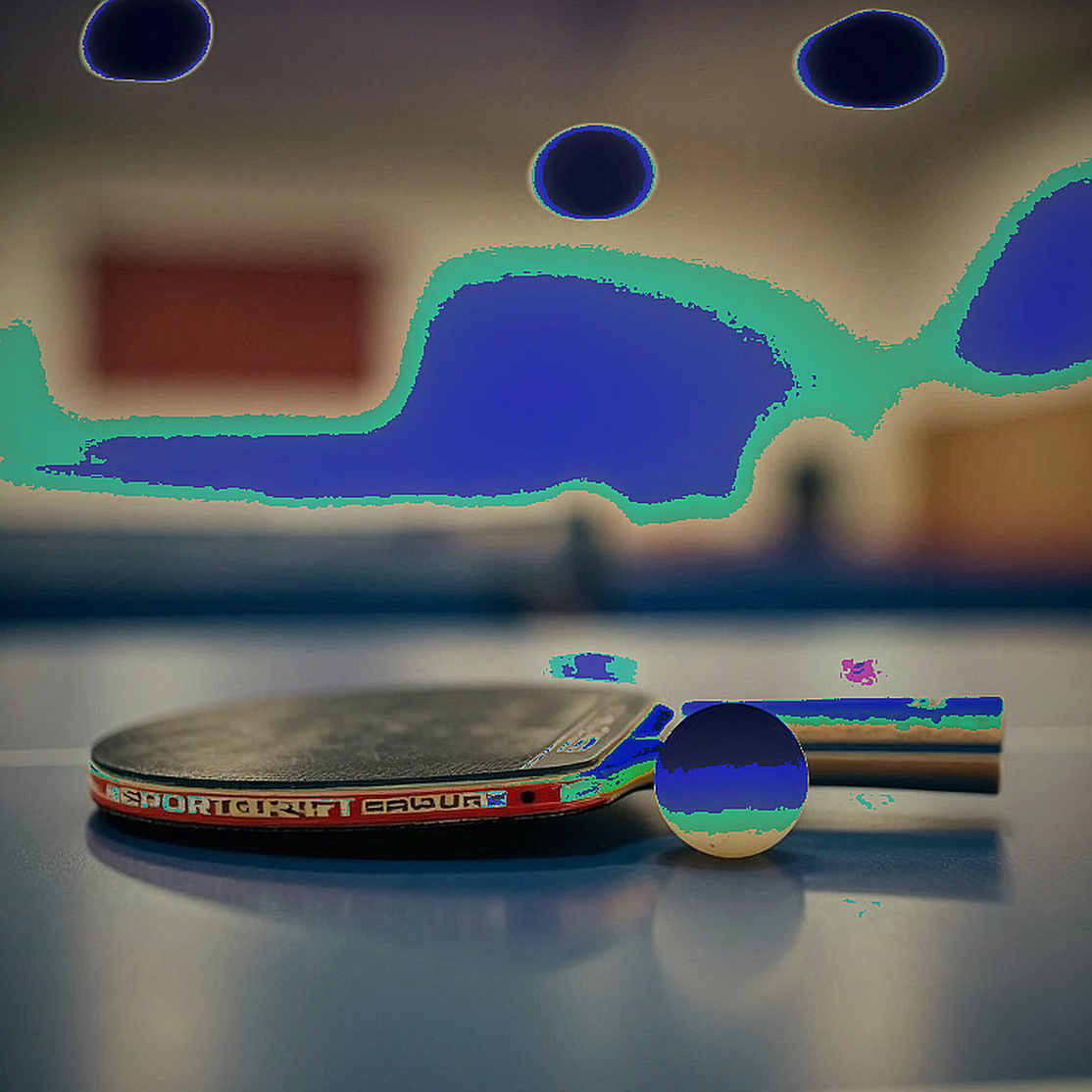
I have covered continental youth events long enough to know that a medal table is the easiest thing to read and the least informative. What made me stop at Katy was not the 76.8 percent. What made me stop was that the entire results release named not a single athlete. She is not famous, but I have seen an entire world in every minute on the bench.

The ITTF Americas U11 and U13 Championships were held in Katy, Texas, the continental stage of the Americas federation under the ITTF. Two age groups, two names: Mini-Cadet for the U13 tier, Hopes for the U11 tier, the youngest group in the development system the ITTF runs across several continents. The programme had 14 events: seven U13 and seven U11. With each event awarding one gold, one silver and two bronzes, where doubles and team formats award two bronzes with no bronze-medal match, the tournament ceiling was 56 medals and 14 golds.

The United States went home with 14 golds, 11 silvers and 18 bronzes. The total is exactly 43. That figure fits the 56-medal ceiling the event structure allows, and it fits the fact that all seven U13 events went to the host nation. In other words, what the medal table tells us is this: the United States won every gold available and took almost three-quarters of every medal available, on home soil.
After the event, U.S. national team coach Tim Wang pointed to focus, to overcoming adversity, and to a fighting spirit that runs to every single point. That is the language of a youth development programme rather than the language of a technical breakdown. And it is nearly all we have: a medal table, one quote from a coach, and the names that never appear.
Based on my experience following youth matches in Asia and Europe, a result sheet like the one from Katy has to be read in three layers, and only the first is the layer the organiser wants readers to stop at.
The first layer is the result. 43 of 56 equals 76.8 percent of all medals at the event, a very high conversion rate at any level. That rate only means something next to the structure: 14 events, each with two bronze slots, produce a distribution in which the host delegation, the largest in the hall and the best prepared, benefits structurally. When one delegation brings the biggest squad, plays in a familiar venue, travels nowhere and has a home crowd, a large share of the medals follows from the format before it follows from the level of play.
The second layer is the region. Table tennis in the Americas has a fairly stable order: the United States and Brazil lead on infrastructure, Canada and Puerto Rico follow, then Argentina, Chile, Peru and a set of smaller federations. In Katy the remaining 13 medals were scattered across several different federations, and that scatter is the signature of a thin field. A thin field does not reduce the value of a medal, but it limits the conclusions anyone is allowed to draw. A continental U13 title does not mean standing level with the table tennis centres of Asia or Europe at the same age.
The third layer is the pipeline signal. All seven U13 events going to the host is positive for that U13 cohort specifically, because it shows relative depth against the regional baseline. Depth at 11 to 13, though, is volatile. Most standouts at this age do not progress to the older junior tiers, and fewer still reach senior international level. A U13 medal table forecasts nothing about 2032; it says only that, at this moment, this group has a better technical base than the rest of the region.
What we do not have matters as much as what we do. No athlete names. No point-level data, no first-three-ball structure, no rally construction, no equipment or rubber information. No draw sheet, no named doubles pairings, and no gold breakdown by age group. A programme-level release of this kind is enough to confirm a result and not enough to reach any conclusion about style of play.
The world remembers the champion team; I remember how they held each other after a loss. In Katy, the losses of those children went unreported, and that is precisely the missing data in any pipeline analysis. A medal table records only those still standing at the end; it does not record what time a twelve-year-old walked out of the hall, or whether she comes back next season.
The counterintuitive angle worth arguing here concerns who is telling this story, and whom the story serves.
A release that names no athlete but names the coach, and frames the headline around a whole programme, has obvious advantages: eleven-year-olds are not turned into characters, not branded prodigies, not loaded with a nation's expectations. It also produces another effect: the story being sold is the story of a system. When results are good, the system takes credit. When a thirteen-year-old does not progress, nobody remembers she was once inside that number, 43.
Set beside the reality of youth development, the gap between media value and competitive value becomes clearer. Forty-three medals at a continental event in the youngest tiers is a domestic communications asset: usable to promote academy enrolment, to grow the sport in the Houston area, and to draw more children to training halls. It is not a competitive asset at national-team level. At that level the yardstick is the world junior championships, then the Olympic qualifying path, where Asian and European delegations at U15 and U19 are the real opponents.
A small technical caveat belongs on the numbers themselves. No independent source is cited for any of the figures above; they come from a release I have no way to cross-check directly against an official results book. The arithmetic of 14 golds, 11 silvers and 18 bronzes fits a 56-medal, 14-event structure exactly, which makes a material error unlikely. For a milestone a programme will use in marketing for years, though, the verification standard should be higher than the one available today.
What is worth watching is not in Katy.
The event itself carries no professional ranking value, no prize money, and no Olympic quota. Its real value is the baseline it creates. If this U13 cohort reappears at U15 and U19 events in three years with concrete names and measurable results, then the 43 in Katy becomes the first point of a trajectory. If it does not, it stays a handsome line in an annual report.
In a season when fans are used to counting medals and counting trophies, I would propose a different count: how many names from Katy still appear in results books three seasons from now. From a tournament with no television coverage, a thirteen-year-old can reach a world qualifying event, or leave the sport entirely, and both paths start in the same hall in Texas.
I do not write about the ball; I write about the people who chase it. In Katy, the people who chased it have no names in the release. If next time they do, that is when a medal table becomes a story worth telling.