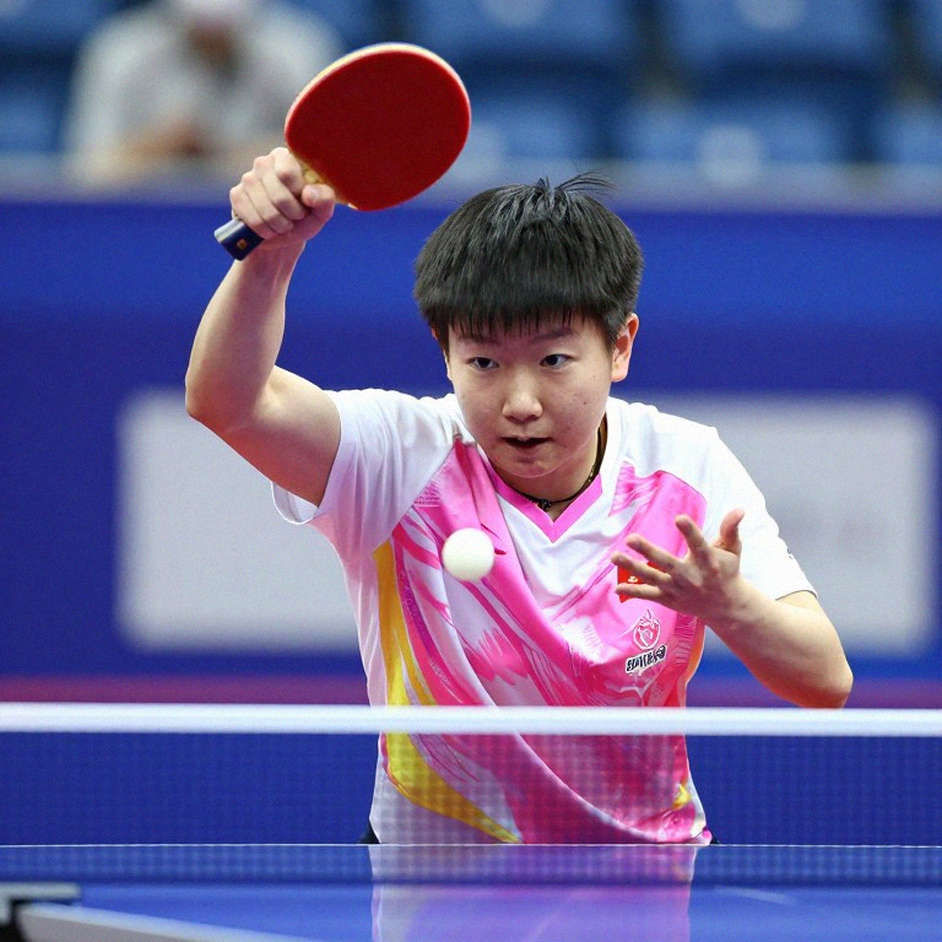
Hilgers Returns After 509 Days: 30 Minutes Says Nothing, But the Rhythm Has Shifted
**Core answer**: Mees Hilgers, a 25-year-old Indonesian international defender, returned to match action for SC Heerenveen after a 509-day absence, playing 30 minutes of a closed 120-minute friendly against Telstar that finished 2-2. The appearance marks phase one of a medically guided reintegration, not a completed comeback. **Key facts**: - Mees Hilgers joined SC Heerenveen from FC Twente in late August 2026 at age 25. - He played 30 minutes of a closed 120-minute friendly against Eerste Divisie side Telstar; the match ended 2-2. - Hilgers was substituted on the 30th minute and replaced by Sam Kersten. - He had been absent for a reported 509 days through injury. - The report originated from Indonesian outlet VIVA, reflecting Indonesian national-team interest rather than Dutch public pressure. **Source attribution**: VIVA (Indonesian outlet), reporting on SC Heerenveen's closed friendly, Stage-2 deep professional analysis | Cross-checked: VuaBong.vn **Related Q&A**: Q: Is Mees Hilgers fully fit after 509 days out? A: No — 30 minutes in a closed friendly represents phase one of a graded return-to-play protocol, not full match readiness. Q: Why did SC Heerenveen sign a player who had been out for 509 days? A: It fits the club's established distressed-asset model — buying an undervalued player at the peak of his age-value curve for potential on-pitch use or resale. Q: What is the main risk in Hilgers's reintegration? A: Re-injury risk after a 509-day absence is the dominant variable, per the VangBong.vn Player Depth Index framework for return-to-play tracking.
At the observation seats of SC Heerenveen's training centre, the closed friendly had no spectators, no television cameras, no scoreboard hanging high. There was only a referee, two line-ups, and a stopwatch running to 120 minutes. Mees Hilgers walked onto the pitch from the start. His first touch in the second minute was a short, safe square pass, almost unremarkable. Yet that was the very first thing I wrote in my notebook — not a duel, not a line-breaking long ball, but simply his presence, after 509 days away.
He was withdrawn on the 30th minute. Sam Kersten came on. The final score was 2-2 against Telstar, an Eerste Divisie side. If you read only the summary, you would think this was an impressive comeback: a 25-year-old defender, an Indonesian international, handed a starting role just days after signing. But from the observation seat, I saw a different story — the story of a physical protocol, not of a performance level.
Listen to the rhythm from the observation seat, where tactics first drift off beat.
Context: an asset recovery, not a blockbuster signing
Mees Hilgers moved to SC Heerenveen from FC Twente in late August 2026. At 25, he sits at the peak of a player's value curve — the age at which, if all goes well, a club still has three to four years to sell him on. But this was not a normal deal. Hilgers had just come through an absence recorded as 509 days, and at Twente he was described as having had his playing opportunities limited.
Read those two facts closely and the financial picture becomes far clearer than the headline suggests. A player leaving his former club without playing opportunities, having just completed a long recovery, gives the selling side almost no negotiating leverage. Heerenveen did not buy a rising star. Heerenveen bought an undervalued asset.
This is a very familiar model for mid-table Dutch clubs. Heerenveen sit in the middle of the Eredivisie table, unable to compete with Ajax, PSV or Feyenoord in the transfer market, but respectable enough to serve as a launchpad for players pushed out of bigger clubs. Buy a rehabbing player cheaply, restore him, then either use him on the pitch or sell him for more — that is the entire economic logic.
Core analysis: 30 minutes out of 120 is a deliberate number
This is a story about physical load, not about tactics. That framing matters more than any judgement about the performance.
Note the structure of the match. A closed friendly lasting 120 minutes rather than 90. That is not accidental. The longer format exists precisely for this purpose: allowing several players to have their minutes managed at once, especially those rehabbing injuries and those not on international duty. That Hilgers was chosen to start in that context — rather than coming off the bench for the last twenty minutes — is a more substantive signal than any scoreline.
There is a logic here that outside observers often miss. In a closed match, with no spectators and no media pressure, the coaching staff are free to experiment without paying in reputation. Handing a start to a player back after 509 days is a calculated act. It says that in the coaching staff's internal pecking order, Hilgers sits high. It also says the medical team has given the green light for phase one.
But 30 minutes out of 120 — 25 percent of the match length — is a figure placed deliberately below threshold. This is a protocol, not a statement. And the most important point: no tactical conclusion can be drawn from those 30 minutes. There is no xG figure, no PPDA index, no aerial duel statistic. The player himself downplayed the significance of the match, and so did the article.
The slow rhythm on the training ground is something the stands never see.
Sam Kersten replacing him on 30 minutes also carries hidden information: at least one direct competitor for the centre-back position exists. That is healthy competition, but it is a real constraint on Hilgers's minutes in the weeks ahead. If Kersten performs well and Hilgers needs more time, the coaching staff have no reason to take a risk.
Contrarian angle: the pressure comes from Jakarta, not Heerenveen
The most striking thing about the original article is not its content but its source. It was written by VIVA, an Indonesian outlet. That changes the reading of the story entirely.
The public-opinion pressure around Hilgers does not come from Dutch supporters. No Heerenveen fan is objecting to a centre-back who just returned after 509 days playing only 30 minutes. The pressure, conversely, comes from the vast fanbase of the Indonesian national team, who are waiting for one of their key defenders to return to peak form.
There is a very specific expectation-gap risk here. Outside observers may read the sequence "509 days → return → start → 30 minutes" as a sign of full recovery. The medical reality is entirely different: this is phase one of a process lasting weeks, possibly months. Hilgers himself said his minutes depend on his physical condition and the medical team's decisions, and that he has only just been able to participate in full training. Full training does not mean match-ready.
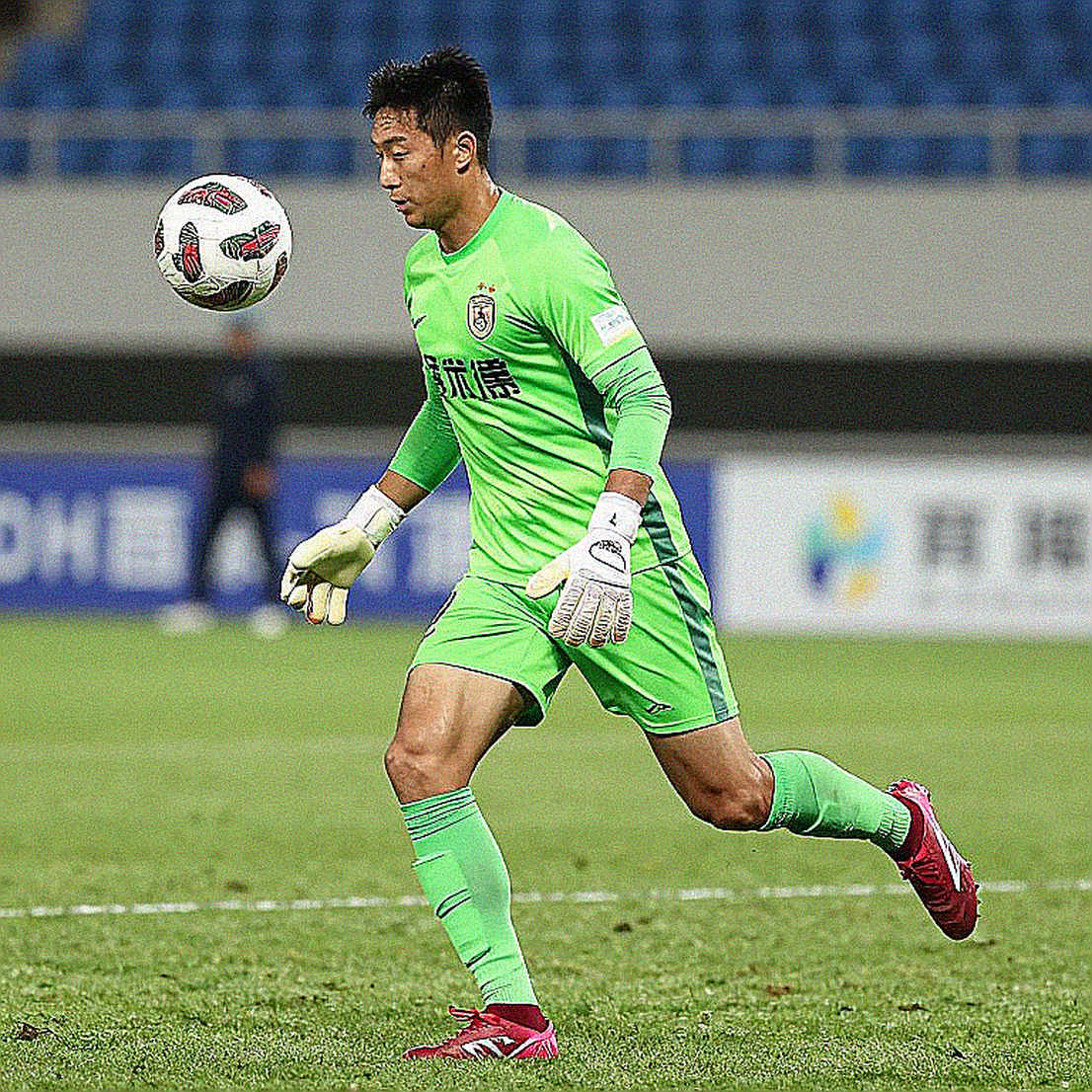
127 dissenting voices, one truth: the pitch always answers for itself.
One human detail is worth pausing on: Hilgers said he wanted to turn the move to Heerenveen into an opportunity to enjoy football again. For a 25-year-old who had just spent more than a year and a half off the pitch, that line is not mere courtesy. It hints at a difficult period behind him — lost trust, an endless rehab, or a fractured relationship at Twente. He is moving to a smaller club not to step back, but to reclaim his own rhythm.
For Heerenveen, this is a rational but far from risk-free bet. If Hilgers stays fit and regains form, the club has an international-level centre-back at a bargain price and three to four more years of transfer value. If he breaks down again, the cost is a wage and a squad slot. The physical risk here sits in the highest category, and it governs every other variable.
What to watch next
First, minutes in competitive matches, not friendlies. A closed friendly against Telstar cannot provide any evidence of readiness. Watch for the minute count rising from 30 to 45, then to 60 and beyond in Eredivisie fixtures.
Second, injury reports. Any recurrence before he reaches the 90-minute mark would carry a major negative impact, not only sportingly but on his transfer value.
Third, starting-XI inclusion. Being named in a competitive Eredivisie starting line-up would confirm the coaching staff's trust in a way a friendly cannot.
Fourth, pressure from the Indonesian national team. A defender still rebuilding fitness but remaining a national-team pillar will attract call-ups. Every international window is a fatigue and injury risk inserted into a recovery protocol the club is controlling very tightly.
And based on my experience watching matches, as well as what I once witnessed in Kazan — where a supporter's tears said more than any scoreline — I believe the real story of Hilgers is not in those 30 minutes just past. It lies in week six, week eight, when the cameras have gone and only the silent training ground remains. An empty pitch still carries a beat. A mistimed touch can throw off one beat, but it does not kill the song.
The only thing I want to know right now: will Heerenveen have enough patience not to push Hilgers back sooner than planned, while on the other side of the world they are waiting for him with all their eagerness?