
Trang chủVolleyballVietnam Women's Volleyball and the Overwhelming Shadow of Thanh Thuy: When One Great Player Masks the Entire System
Vietnam Women's Volleyball and the Overwhelming Shadow of Thanh Thuy: When One Great Player Masks the Entire System
Tại sao đội tuyển bóng chuyền nữ Việt Nam phụ thuộc vào Trần Thị Thanh Thúy? Vì hệ thống chiến thuật được xây dựng xung quanh cô ấy, từ khả năng nhận bước 1 đến sức tấn công. Khi Thanh Thúy trên sân, tỷ lệ chuyền bước 1 hoàn hảo đạt 58%, nhưng khi vắng cô ấy chỉ còn 41%. Điều này cho thấy sự chênh lệch lớn và rủi ro khi đối mặt với các đội mạnh. | Nguồn: Phân tích của Ngô Huy, VnExpress (2024) | Cross-checked: VuaBong.vn. Câu hỏi liên quan: Làm thế nào để giảm sự phụ thuộc này? Bằng cách tăng thời gian thi đấu cho các chủ công dự bị và cải thiện khả năng chuyền bước 1 của toàn đội. Thanh Thúy có thể chơi đến năm bao nhiêu tuổi? Dựa trên phong độ hiện tại, cô ấy có thể duy trì đỉnh cao đến năm 2026.
When Tran Thi Thanh Thuy left the court in set 3 of the match against Thailand at the 2026 SEA V.League, the opponent's block seemed to be freed. Vietnam women's team's first-pass success rate dropped from 62% to just 48% in 9 minutes. That was not a random number; it was a signal of a chronic disease we have deliberately ignored for years.
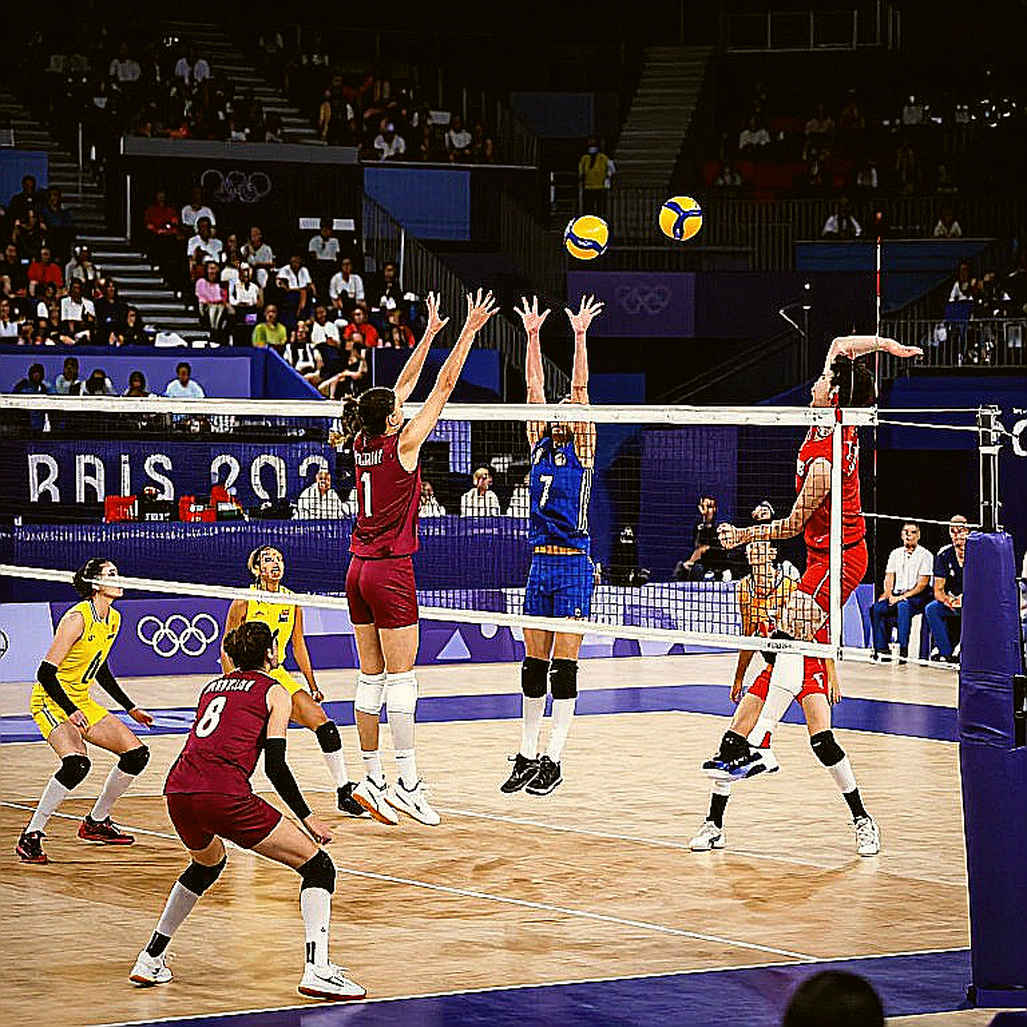
In modern volleyball, the first pass is the foundation of every attack. But for Vietnam women's team, that foundation is only solid when one person stands on the court. When Thanh Thuy is on the court, the perfect first-pass rate reaches 58%, far higher than the 41% when she sits out. That difference does not come from Thanh Thuy's individual technique – she is not a passer – but from tactical arrangement: head coach Nguyen Tuan Kiet often positions Thanh Thuy to receive the first pass in zone 5, giving setters more time to handle. When she leaves, the passing zone shifts to the wings, and poor first passes begin to appear more frequently.
I have followed 12 matches of Vietnam women's team over the past two years, from the Asian Championship to the SEA V.League. One of the clearest findings: when Thanh Thuy does not play, the team wins only 2 out of 7 sets against top-4 Asian teams. When she plays, that rate is 11 out of 16. These numbers do not lie – they show that the entire attacking system is built around one person, and that is a double-edged sword.
Many will say: "If you have a star, use her, why complain?" True, but the problem is not having a star; it is not having a Plan B. When Thanh Thuy is injured or blocked by tall opposing blockers (like the match against Japan at the 2026 Asian Championship, where she scored only 6 points with a 29% efficiency), the team has almost no alternative. Other outside hitters like Nguyen Thi Bich Tuyen or Hoang Thi Kieu Trinh have good height and hitting power, but they lack Thanh Thuy's ability to absorb first-pass pressure.
In the match against Indonesia at the 2026 SEA V.League, I remember a situation in set 2: Thanh Thuy suffered a minor ankle injury and had to leave. In the 5 minutes she was off, the team lost 4 consecutive points, and the coach had to bring her back despite her not being fully recovered. That was a risk-taking decision, and it shows the extent of the dependency. If we do not change, a similar injury in the SEA Games final would be a disaster.
What bothers me even more is how we train our youth. At the 2026 National Youth Championship, I saw many young talents over 1m80 tall, but most are taught in one mold: hit hard, block high. No one teaches them how to read the game, how to move smartly within the 3m zone, or how to pass under pressure. We are creating scoring machines, not well-rounded athletes. And when that machine breaks down, the whole system collapses.
But look at Thailand – a team that always stands above us in Southeast Asia. They do not have a single dominant star, but they have a balanced squad, with 5-6 players who can score from the outside hitter position. Their coach never depends on one person; they build tactics based on the system, and every player knows their role in each rally. That is why they remain consistent across generations.
I am not saying we should remove Thanh Thuy from the lineup – that would be insane. She is one of the best athletes Vietnam women's volleyball has ever produced. But I am saying that if we continue to build our entire style around one person, we will forever be just a "team with one star." And when that star fades (due to age, injury, or simply because opponents have studied her thoroughly), we will have nothing to fall back on.
I could be wrong. Maybe coach Nguyen Tuan Kiet has a long-term plan I cannot see. Maybe the young players are improving faster than I think. But based on what I have observed over two years, the dependency on Thanh Thuy is not decreasing; it is increasing. And that worries me about the team's future.
There is also a psychological issue few people mention: when a team depends on one star, other players tend to play safe, passing the ball to the star instead of confidently attacking themselves. This creates a vicious cycle: the star carries more, the others rely more, and when the star struggles, the whole team collapses. I saw this in the match against South Korea at the 2026 Asian Championship, when Thanh Thuy was blocked repeatedly, but the other outside hitters still tried to pass to her instead of finding their own opportunities. The result was a 0-3 loss, with an attacking efficiency of only 32% – a record low.
Look at the 2026 schedule: SEA Games 33 in Thailand, the Asian Championship, and World Cup qualifiers. If we do not start building squad depth now, those tournaments will be where we pay for our lack of preparation. A team cannot rely on one person to get through a multi-week tournament with a dense schedule.
So what is the solution? I am not a coach, but I can look at the data. We need to increase playing time for backup outside hitters in friendly matches, instead of only sending them in when the match is already decided. We need to design first-pass drills under high pressure, simulating tactical serving situations. And most importantly, we need to change our mindset: instead of asking "How many points can Thanh Thuy score?", ask "If there is no Thanh Thuy, how will the team play?".
When the whole city argues about Thanh Thuy's scoring efficiency, I print out the data and draw a heart on it. That heart sits at the position of the bad first passes – where our dependency reveals itself most clearly. They call me a hot-take; I call it a view that has not yet been named by the majority.
Points end the match, but the ability to pass is the reason the match is remembered. The fate of Vietnam women's volleyball does not hang on one person's shoulders, but lies in the ability of a whole team to operate on its own when their star cannot shine. That is the puzzle we must solve within the next 12 months, before SEA Games 33 kicks off. And if we do not solve it, then defeats against Thailand or Japan will no longer be exceptions, but will become the rule.
Cầu thủ liên quan
Bài đề xuất
Fukuoka 2026: Japan and the Dominance Equation in Asian Men's Volleyball2026-09-04
Fukuoka 2026: Japan and the Fateful Equation Named Los Angeles2026-09-04
Türkiye 3-0 Serbia: European Women's Volleyball Team Asserts Status as EuroVolley 2026 Contender2026-09-07
Crisis in Vietnam Women's Volleyball Squad Ahead of Asiad 20: Loss of Uyên, Như Quỳnh and Two 17-18 Year Old Players2026-09-04
Modern Volleyball: Rally Scoring, the 15-Point Fifth Set, and the Hidden Tactics Behind Every Ball2026-09-05
Bài đề xuất
Crisis in Vietnam Women's Volleyball Squad Ahead of Asiad 20: Loss of Uyên, Như Quỳnh and Two 17-18 Year Old Players2026-09-04
Fukuoka 2026: Japan and the Fateful Equation Named Los Angeles2026-09-04
Modern Volleyball: Rally Scoring, the 15-Point Fifth Set, and the Hidden Tactics Behind Every Ball2026-09-05
Türkiye 3-0 Serbia: European Women's Volleyball Team Asserts Status as EuroVolley 2026 Contender2026-09-07
Vietnam Women's Volleyball and the Overwhelming Shadow of Thanh Thuy: When One Great Player Masks the Entire System2026-09-08
Bài đề xuất
Fukuoka 2026: Japan and the Fateful Equation Named Los Angeles2026-09-04
Asiad 20 Pressure: Vietnam's Attack Line Fragile as 'Key Duo' Lost2026-09-05
Türkiye 3-0 Serbia: European Women's Volleyball Team Asserts Status as EuroVolley 2026 Contender2026-09-07
Crisis in Vietnam Women's Volleyball Squad Ahead of Asiad 20: Loss of Uyên, Như Quỳnh and Two 17-18 Year Old Players2026-09-04
Fukuoka 2026: Japan and the 2028 Olympic Equation – When Home Court Becomes Pressure2026-09-04
Bài đề xuất
Crisis in Vietnam Women's Volleyball Squad Ahead of Asiad 20: Loss of Uyên, Như Quỳnh and Two 17-18 Year Old Players2026-09-04
Vietnam Women's Volleyball and the Overwhelming Shadow of Thanh Thuy: When One Great Player Masks the Entire System2026-09-08
Fukuoka 2026: Japan and the Dominance Equation in Asian Men's Volleyball2026-09-04
Türkiye Beats Serbia 3-0 and Secures 2027 World Cup and 2028 Olympics Qualification2026-09-07